There's a question I’ve started asking every RevOps and Sales Leader I meet with, and it stops most of them in their tracks.
Because here's what's true about the way enterprise deals get decided today: the meeting you're invited to is rarely the one that determines the outcome. Buying committees are larger than they've ever been. Deals move through finance, legal, IT, and executive review, often without a seller present for any of it. The champion advocating for your solution is carrying your story into conversations you'll never see.
Forrester asked decision makers to rank the most important interactions during the sales process. Sales presentations came in as the most important interaction. Which makes what happens to that presentation after you send it the most underinvested problem in enterprise sales.
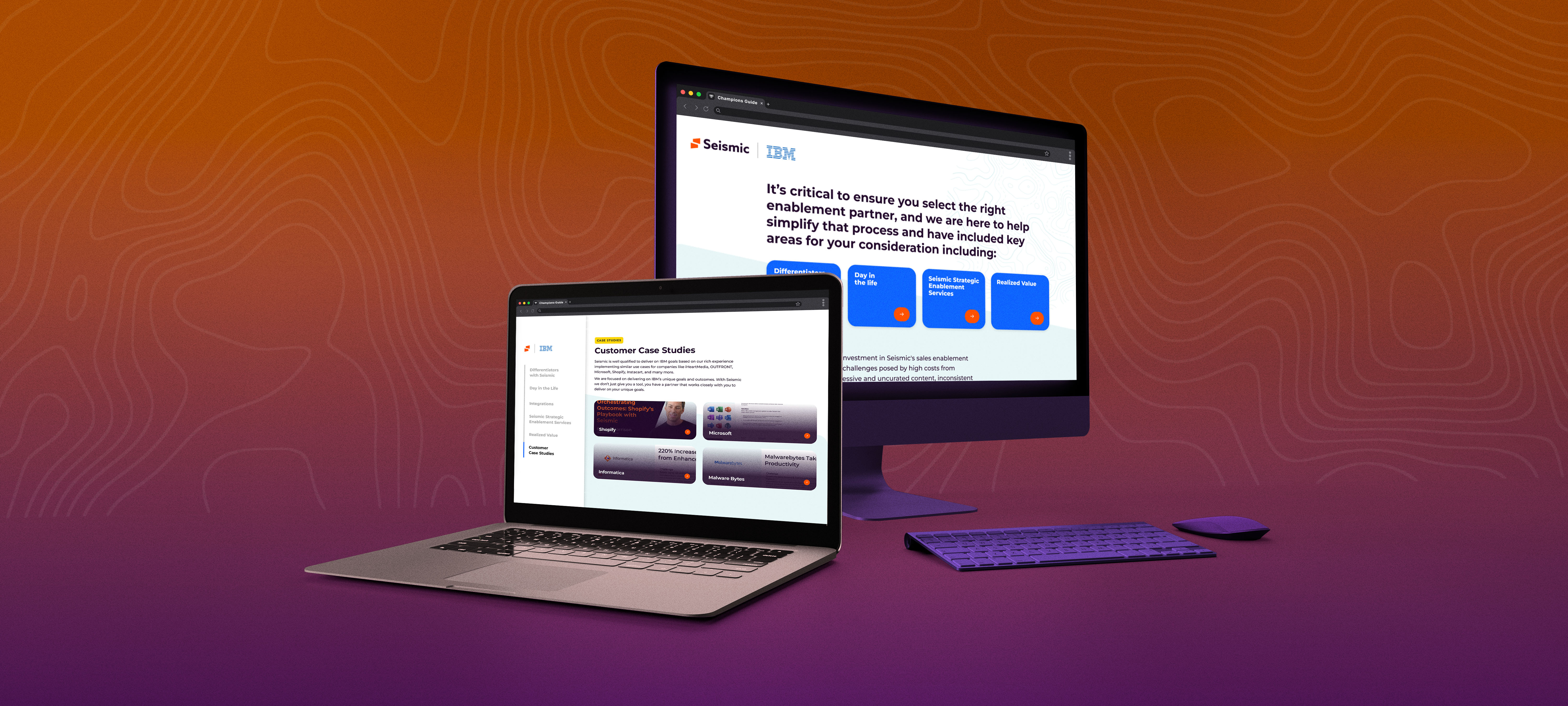
The Champions Guide is the asset that closes that gap. Not a deck or a leave-behind, a narrative built to travel, one your champion can carry confidently into any room, in any conversation, with any stakeholder, without you there to guide it.
Most organizations aren't building for that moment. They're building for the presentation, the demo, the meeting they're in. Then they send a PDF and hope for the best. But the best reps know that “the deal is won in the follow up.”
Seismic's CBO, Toby Carrington, describes what changes when the content is built right: "We don't walk into meetings guessing. The engagement tells us what matters before we're even in the room. The deck isn’t just pretty. It is earning the respect of the entire leadership team." That's the tangible difference between reacting to a deal and crafting a winning narrative.
What makes a Champions Guide work isn't complexity, it's intention.
It starts with what you've learned, not who you are. Executives don't care about your funding or your awards, they care whether you were paying attention during discovery, whether you heard what they told you about where things are breaking down and what's at stake if nothing changes. Lead with their words, their challenges, their goals, and credibility follows before you've made a single claim about yourself.
It builds on that credibility with proof your champion can stand behind. Case studies, customer evidence, third party validation from trusted industry experts, these aren't decorative. They're the credibility your champion needs when procurement pushes back or when finance gets involved. Your champion is asking the organization to trust a vendor they haven't worked with. Give them what they need to make that case confidently.
It shows the journey, not just the destination. What changes on Day 1, what value looks like in 90 days, what scale looks like over two years. Executives don't buy promises. They buy progressions they can see themselves on.
It makes your accountability visible, because finance cares more about the outcomes you're willing to be held to than any ROI projection you can build. Spell out the measurable impact, own it, and let that accountability do more selling than your deck ever could.
It makes the path forward feel real, not theoretical. Champions need to show what happens first, who needs to be involved, and how friction gets reduced from day one. The cleaner that picture is, the faster internal alignment follows, because people don't stall on decisions they can see clearly.
And it closes with a next step your champion can carry, not just an intention, but the language, the ask, and a clear path forward for the people who weren't in the room when you made your case.
The RevOps Leaders I talk to are telling me the same things. Deals stall in rooms sellers can't get into, champions need more support than they're getting, and revenue teams need intelligence earlier in the cycle, not after the fact when it's too late to move.
Content that can carry a deal forward without you isn't an aesthetic upgrade. It's a commercial asset, one that tells you what's happening inside a deal in real time, gives your champion something that holds up to scrutiny, and creates a consistent bar of excellence across every seller on your team.
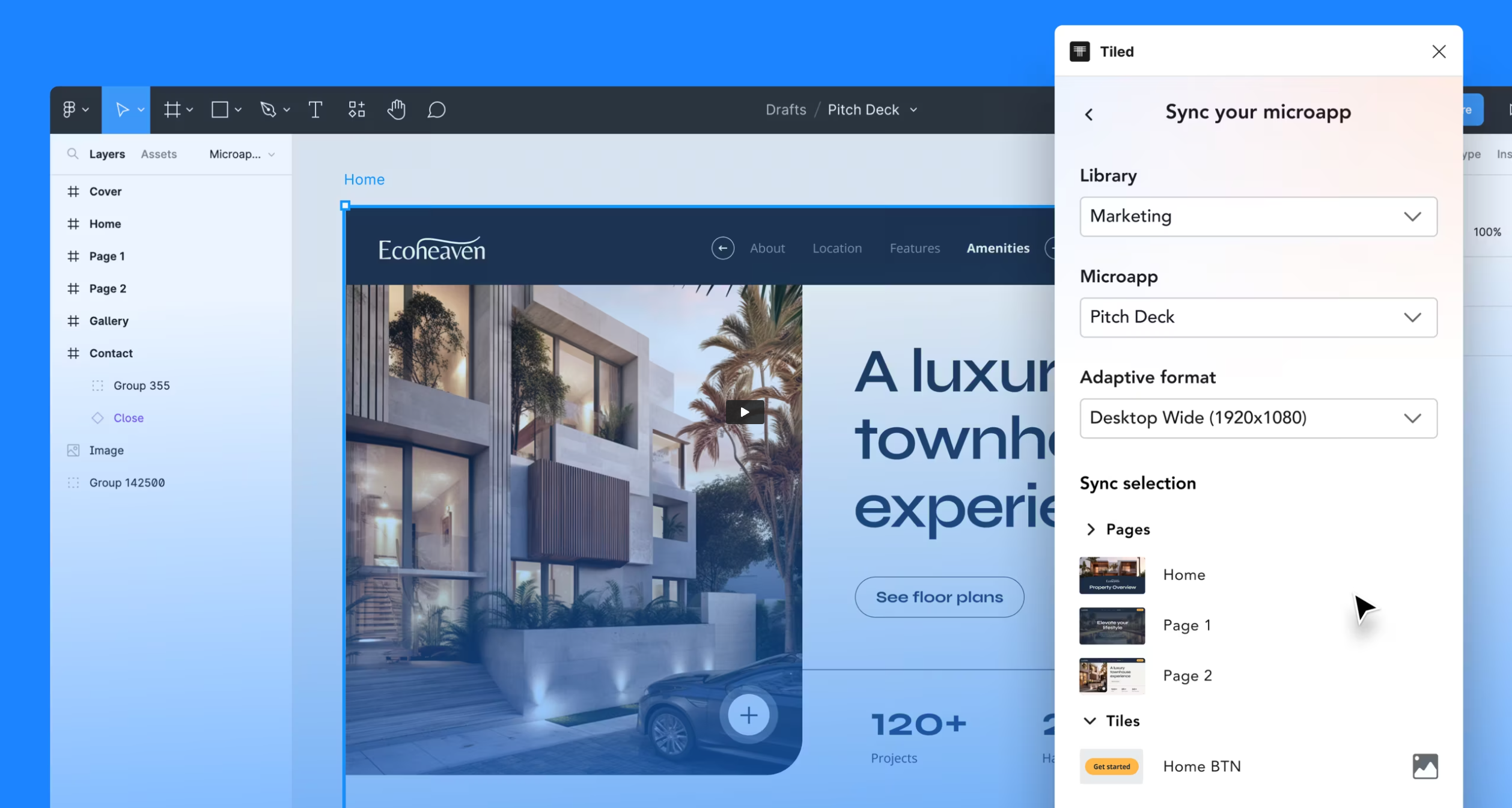
Seismic has already proven the model using Tiled to differentiate and to deepen relationships with customers. Their success isn't accidental, it's what happens when you stop sending content that checks the box, and start building content that can win without you.