Frank Herbert wrote Dune sixty years ago, imagining a future haunted by humanity's dependence on machines. His universe was shaped by the Butlerian Jihad, a rebellion against thinking machines. In its aftermath, people fought back and emerged with a commandment: "Thou shalt not make a machine in the likeness of a human mind." Not a rejection of technology, but an insistence that the highest forms of intelligence, empathy, and vision cannot be outsourced to code.
Six decades later, Herbert's warning feels uncomfortably familiar. AI is creating a crisis of sameness, and human differentiation just became the scarcest resource.
The internet is drowning in generated content. Every social feed, every pitch deck, every "personalized" message starts to blur together. The algorithms optimize for engagement, for completion, for conversion, but they flatten the very thing that makes communication work: the essential uniqueness of understanding. We've made content free, and in doing so, we've made understanding expensive.
As generation becomes effortless, intention becomes irreplaceable. As output multiplies, the signal becomes precious. The more identical everything becomes, the more valuable the human hand becomes. The point isn't nostalgia but recognition: machines have limits, and we should double down on what only people can do.
At Tiled, the question we hear most is: What does AI mean for microapps? For experiential content? For the future of how we communicate?
We welcome the question, and we have a clear answer: we plant our flag firmly on the side of human creativity.
We're exploring how AI fits into our product to help creators work faster and smarter. To surface patterns in how audiences engage, to recommend what works, and to amplify the signal of human intention. We believe the interactive experiences that move people, that create understanding, spark action, maybe even bring joy, begin and end with that intention. AI sharpens the process, it doesn't replace the creator.
"The mystery of life isn't a problem to solve, but a reality to experience." — Dune
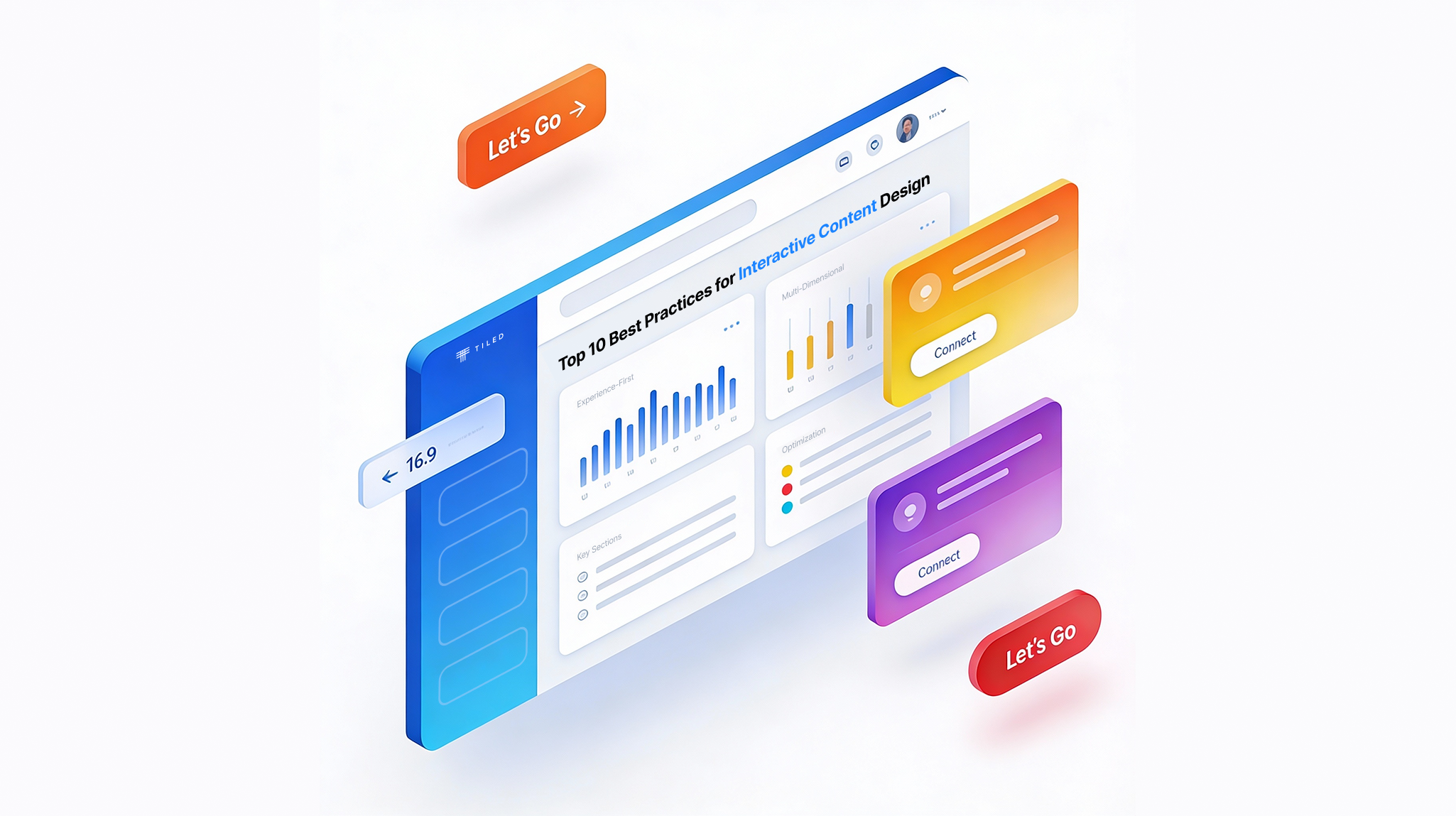
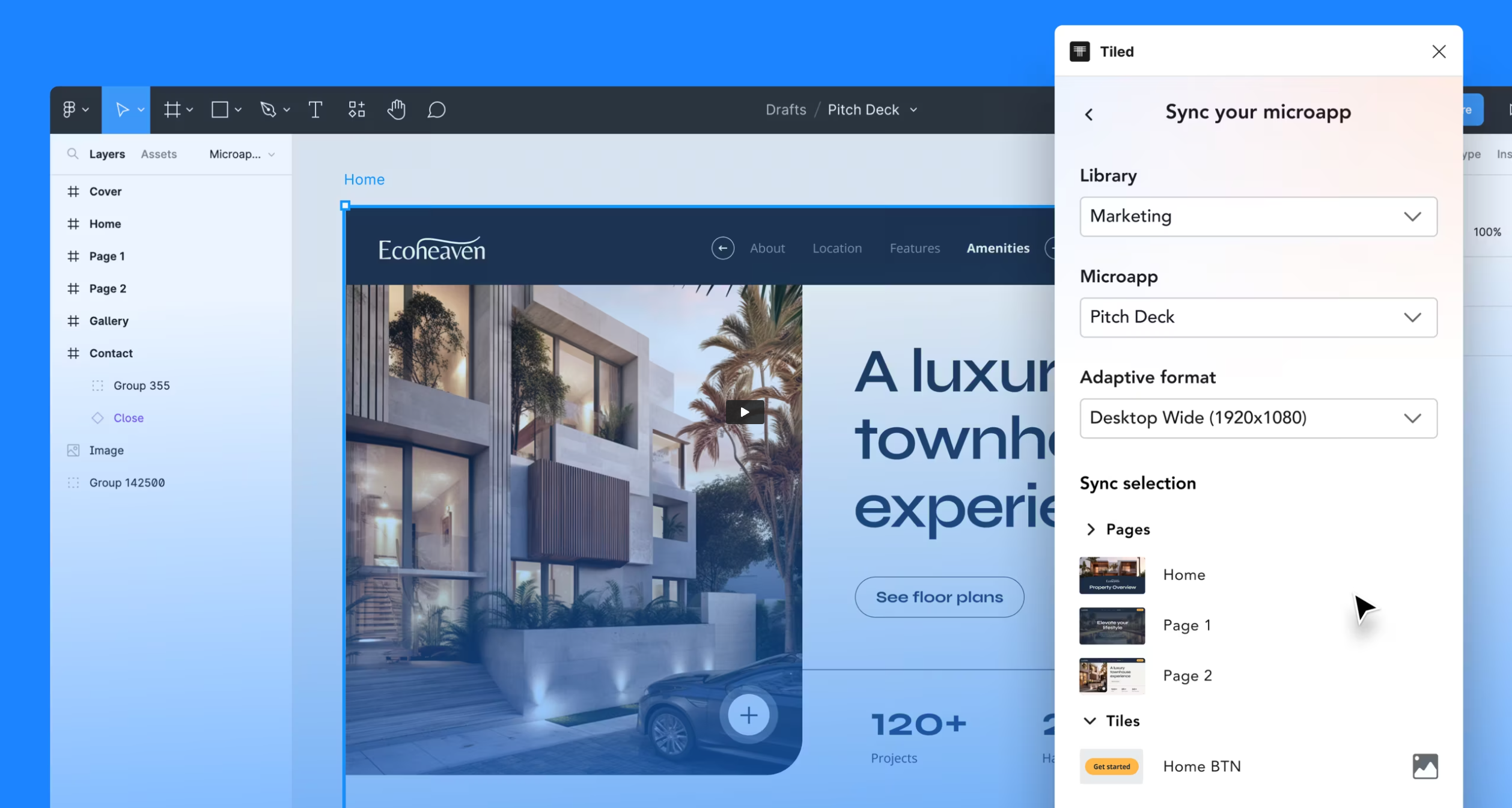
Experiences don't come from algorithms. They emerge from specific stories, from recognizing that every buyer, every team, every company arrives with different needs and walks different paths to insight. That's why we built microapps: interactive documents that adapt, not static outputs that assume uniformity. Experiences that respect the messy, nonlinear reality of how people think.
Creativity isn't decoration, it's the difference between being remembered and being ignored, between clarity and confusion, between connection and indifference. Organizations that cultivate creative muscle, that resource it, protect it, celebrate it, don't just survive this moment, they shape it.
Linear thinking struggles to capture the complexity of how people understand. We don't all arrive at the same place through the same door. Microapps exist to honor that reality. They let every reader choose their own path through content that adapts to what matters most. This is what it means to embrace that truth instead of fighting it.
In a world that generates everything, we stand for intentional experience. We serve creativity. We don't replace it. We amplify signals. We don't bury them. We're not building a better document. We're helping creators build better understanding.
A world where creativity doesn't compete with machines but compounds through them. Understanding deepens because experiences become more personal, not less. The organizations that win are the ones that remember: people don't want to be optimized, they want to be understood.
That's the future we're building toward. That's our flag.